Why Homeowners Trust Dunellen General Contractor for Every Project
Why Homeowners Trust Dunellen General Contractor for Every Project
Blog Article
Why Picking the Correct General Contractor Is Critical for Your Project
Choosing the right construction professional is a crucial choice that can greatly influence a project's success. A qualified contractor guarantees efficient management and adherence to budgets. Their ability to handle obstacles and maintain transparent communication is vital. However, many construction stakeholders overlook critical factors in this hiring procedure. Understanding these elements can contribute to improved outcomes and greater satisfaction. What should one consider when making this important decision?
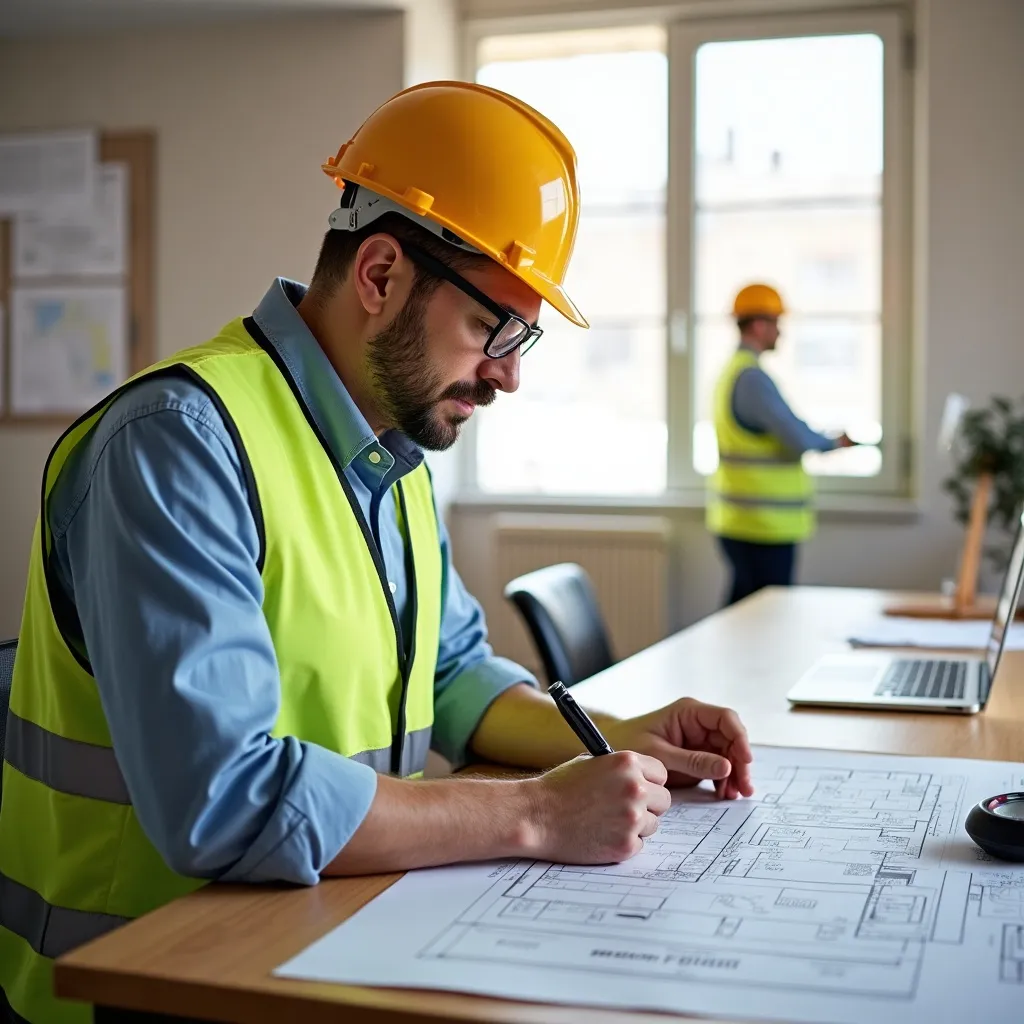
Common Difficulties in Choosing a General Builder
When choosing a construction contractor, potential clients often face numerous typical challenges that can complicate the decision-making process. One major obstacle is the vast quantity of choices on offer, which can lead to confusion and indecision. Clients may find it hard to differentiate between contractors based on credentials, background, and cost, making it difficult to identify who will best satisfy their construction requirements.
One issue is the insufficient openness in contractor bids, where hidden costs may manifest later, altering the project budget. In addition, clients may face challenges involving communication; some contractors may neglect to keep clients informed during the execution, generating annoyance. Lastly, clients often deal with confirming a contractor's references and past work, which can generate uncertainty regarding the standard of service expected. These complications demand thoughtful review and due diligence to assure the appropriate selection is determined.
Why a Dependable General Contractor Matters
A trustworthy general contractor plays an essential role in ensuring project management efficiency and maintaining quality standards. Their expertise helps optimize processes, reducing costs and delays. Additionally, a dependable contractor upholds high standards, resulting in excellent workmanship and client contentment.
Improve Work Management Performance
Effective project management rests on the trustworthiness of a general contractor. A trustworthy contractor ensures that timelines are met, resources are distributed efficiently, and communication operates smoothly among all stakeholders. Their competence in managing subcontractors, suppliers, and laborers directly impacts the overall advancement and success of the project. A dependable contractor anticipates issues, implements fixes swiftly, and keeps attention on objectives, minimizing holdups and budget overruns. This efficiency promotes teamwork, facilitating changes and enhancements as needed. Ultimately, the general contractor's dependability boosts both the operational aspects of the project and the confidence among clients and team members, ensuring everyone works together towards a positive result.
Quality Assurance Requirements
Reliable building professionals play a pivotal role in maintaining standards of quality assurance throughout a project. They guarantee that all work adheres to established guidelines and industry best practices, which is vital for the longevity and safety of the structure. A competent contractor maintains rigorous oversight of materials and workmanship, carrying out regular inspections to detect and fix issues promptly. This proactive approach mitigates risks associated with subpar construction, ultimately protecting the investment. Moreover, a reliable contractor fosters communication among all stakeholders, making certain that expectations are clear and met. By prioritizing quality assurance, a skilled general contractor not only enhances the final product but also builds trust with clients, setting the foundation for successful project outcomes.
Assessing a Contractor's Experience and Standing
When determining a general building professional, understanding their background and reputation is critical, as these factors profoundly affect project results. A contractor's experience typically demonstrates their competency to handle diverse project types, complexities, and difficulties. Assessing their portfolio offers understanding into previous work, demonstrating craftsmanship and meticulous attention to detail.
Moreover, standing plays a critical role in establishing trust. Prospective clients should look for online reviews, testimonials, and references to determine satisfaction levels from previous clients. Speaking with past customers can indicate the contractor's reliability, communication skills, and adherence to timelines and budgets.
Additionally, industry affiliations and qualifications can boost a contractor's reputation, showing a pledge to quality and ethical practices. By comprehensively reviewing both background and standing, clients can reach sound conclusions, ultimately paving the way for a prosperous construction project.
Important Qualities of a Credible Contractor
A reliable contractor regularly exhibits honesty, openness, and strong interpersonal abilities. These essential qualities form the foundation of a successful working relationship. Integrity guarantees the contractor conforms to ethical practices, providing truthful assessments and practical timelines. Openness entails fully disclosing project details, including costs and possible obstacles, fostering trust between the contractor and the customer.
Robust communication abilities allow the contractor to effectively communicate ideas, listen to client requirements, and quickly address any issues that occur during the project. Furthermore, a reliable contractor demonstrates flexibility, responding to changes and unforeseen circumstances with resilience and poise. Attention to detail is another important trait; it reflects a commitment to excellence and precision in every aspect of the work. Ultimately, these qualities not only enhance project outcomes but also add to a positive interaction for clients, making the selection of a reliable contractor all the more critical.
Critical Questions to Address When Working With Your General Contractor?
How can one ensure they select the right general contractor for their project? By posing a series of targeted questions, potential clients can more effectively evaluate candidates. First, inquiring about the contractor's experience with comparable work offers insight into their expertise. It's also vital to request for references; communicating with previous clients can uncover the contractor's reliability and quality of work.
Following this, examining licensing and insurance establishes that the contractor meets legal standards and protects the client from potential liabilities. Clients should further ask about timelines and project management plans to gauge how the contractor will handle the project efficiently.
Budget discussions are essential; requesting a detailed estimate avoids surprise expenses later. Finally, understanding the contractor's preferred communication style can set the foundation for a successful partnership. By tackling these key questions, clients can make informed decisions in selecting their general contractor.
Why Dialogue Is Important With Your Contractor
Effective interaction with a contractor is important for assignment success. Creating transparent expectations and providing regular updates can prevent miscommunications that often lead to expensive setbacks. Additionally, cultivating an open conversation builds trust, securing a improved working relationship throughout the construction process.
Defined Criteria Drive Achievement
Creating explicit expectations is vital for a fruitful partnership with a general contractor. Strong communication lays the groundwork for understanding the objectives, schedules, and budget limitations of the project. When both parties articulate their needs and concerns, it minimizes the risk of misunderstandings that could interrupt progress. A contractor who knows the specific requirements can allocate resources efficiently and address potential challenges in advance. Moreover, transparent expectations fosters accountability, making certain that the contractor keeps promises and that the homeowner remains involved throughout the process. By emphasizing open dialogue from the beginning, clients can enhance cooperation and satisfaction, ultimately leading to a more streamlined project completion. Clear expectations not only optimize workflows but also build trust between the homeowner and the contractor.
Opportune Updates Prevent Misinterpretations
Setting clear parameters builds the groundwork for successful partnership, yet regular contact is absolutely important. Regular updates from a general contractor can eliminate misunderstandings that could happen during a project. When contractors regularly deliver progress information, customers keep informed of timelines, cost modifications, and conceivable obstacles. Such proactive communication works to align each party's objectives and minimizes the risk of disputes later. In addition, when challenges arise, immediate communication permits quicker fixes, keeping the work moving forward. Through developing a culture of honest dialogue, contractors illustrate their commitment to the project's achievement, ultimately producing a more efficient operation and higher client happiness. As a result, timely communications act as a cornerstone in maintaining clarity and confidence during the building process.
Open Communication Develops Trust
During a project's progression, sustaining an candid exchange with the lead contractor becomes important for fostering reliance and partnership. Effective communication promises that all stakeholders have a clear understanding of expectations, timelines, and potential issues. When contractors and patrons participate in regular discussions, it facilitates for the identification of issues detailed guide before they escalate, minimizing disruptions. This openness not only builds confidence but also strengthens the overall construction experience. In addition, an open line of communication encourages feedback, enabling the construction expert to make adjustments that align with the client's desires. Ultimately, strong communication establishes a base of reciprocal appreciation, which is necessary for the successful completion of any construction project. Confidence cultivated through conversation leads to better outcomes for everyone involved.
Frequently Requested Questions
What methods can I employ to determine if a Contractor is certified?
To ascertain if a contractor is licensed, one should consult local official boards and digital resources, validate their license number, and ensure it's active. Additionally, reading web-based testimonials can deliver perspective on their reputation and consistency.
What Insurance Should My Builder Carry?
A contractor needs to secure all-encompassing liability coverage, workers' compensation, and, if applicable, negligence liability protection. These mitigate probable injury, job injuries, and quality failures, ensuring financial protection for both the contractor and the purchaser.
What's the Best Way to Review a Construction Professional's Track Record?
To confirm a contractor's references, one should ask for a compilation of past customers, contact them directly, and ask regarding their feedback. Furthermore, researching online reviews and ratings can provide valuable insights into the contractor's trustworthiness.
What Can I Implement if Problems Develop During the Assignment?
If problems occur during the project, one should document the problems, communicate directly with the contractor, and find a solution. If required, involving a third party or consulting a legal professional may also be appropriate.
Do You Need to Spot Red Flags During the Employment Selection Process?
Red flags in the hiring process consist of vague estimates, missing credentials, poor communication, incomplete licenses, and unfavorable ratings. These indicators point to possible problems that could affect the project's quality and timeline.
Report this page